Our History
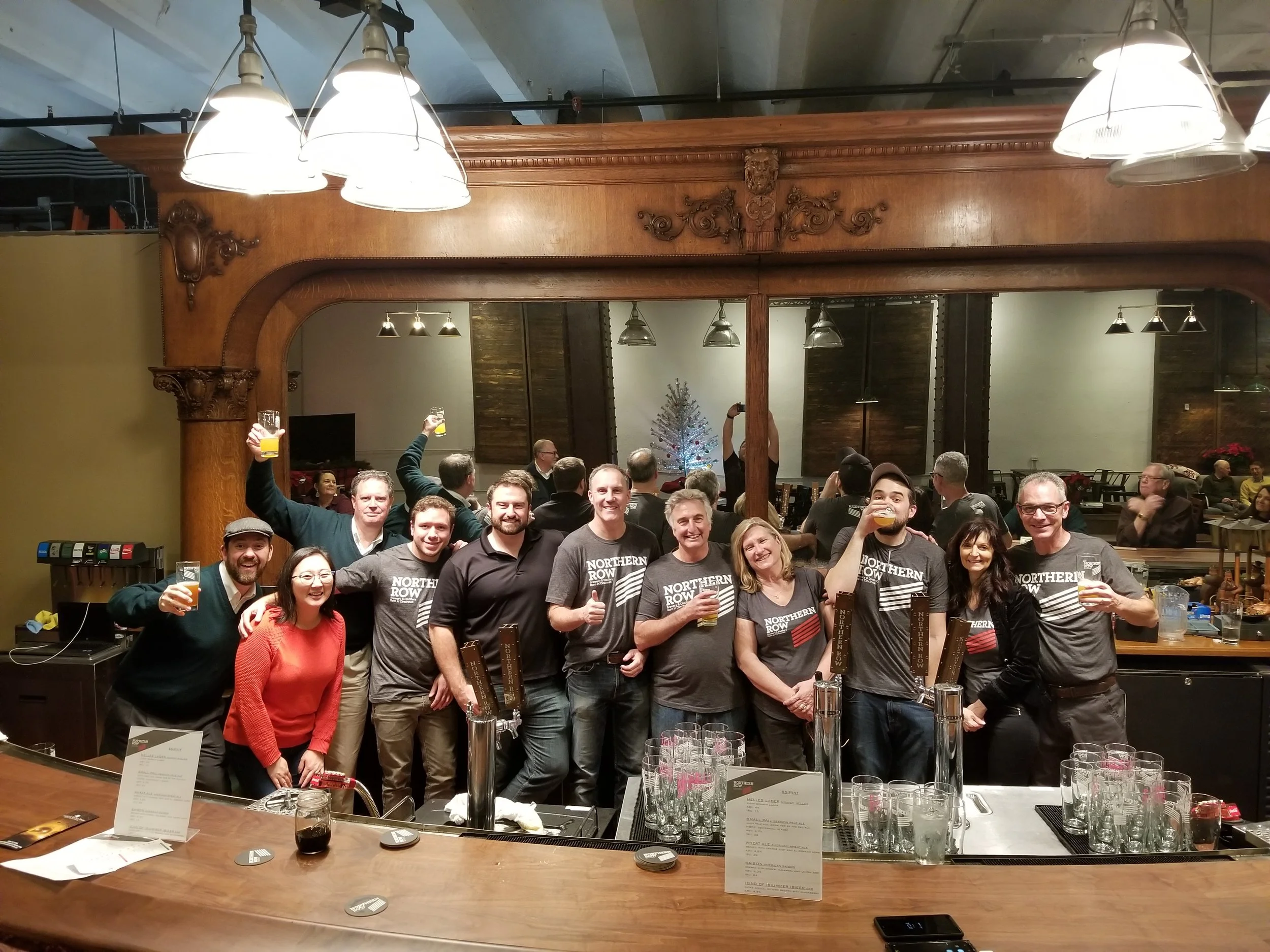
Welcome to Northern Row Brewery & Distillery,
proudly located in the heart of Cincinnati’s historic Brewery District.
Our name, Northern Row, is a nod to the area’s bold and spirited past. In the mid-1800s, Liberty Street – then known as Northern Row – marked Cincinnati’s northern boundary. Just beyond it lay the Northern Liberties, a lawless zone outside city jurisdiction that quickly became home to bootleggers, entrepreneurs, saloons, gambling houses, brothels, and other institutions not tolerated within city limits. It was a place of risk, opportunity, and fierce independence – values that still resonate in our space today.
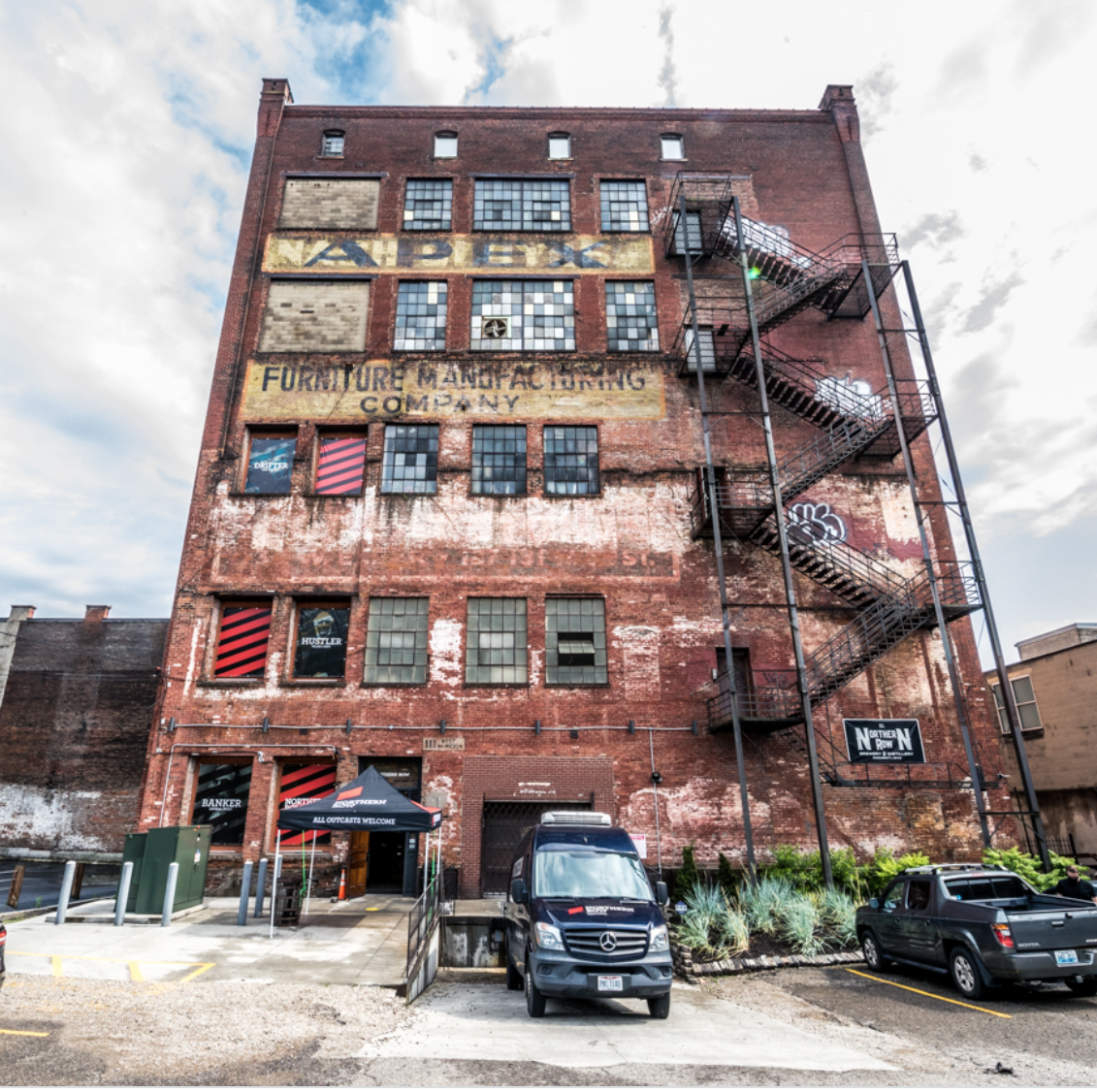
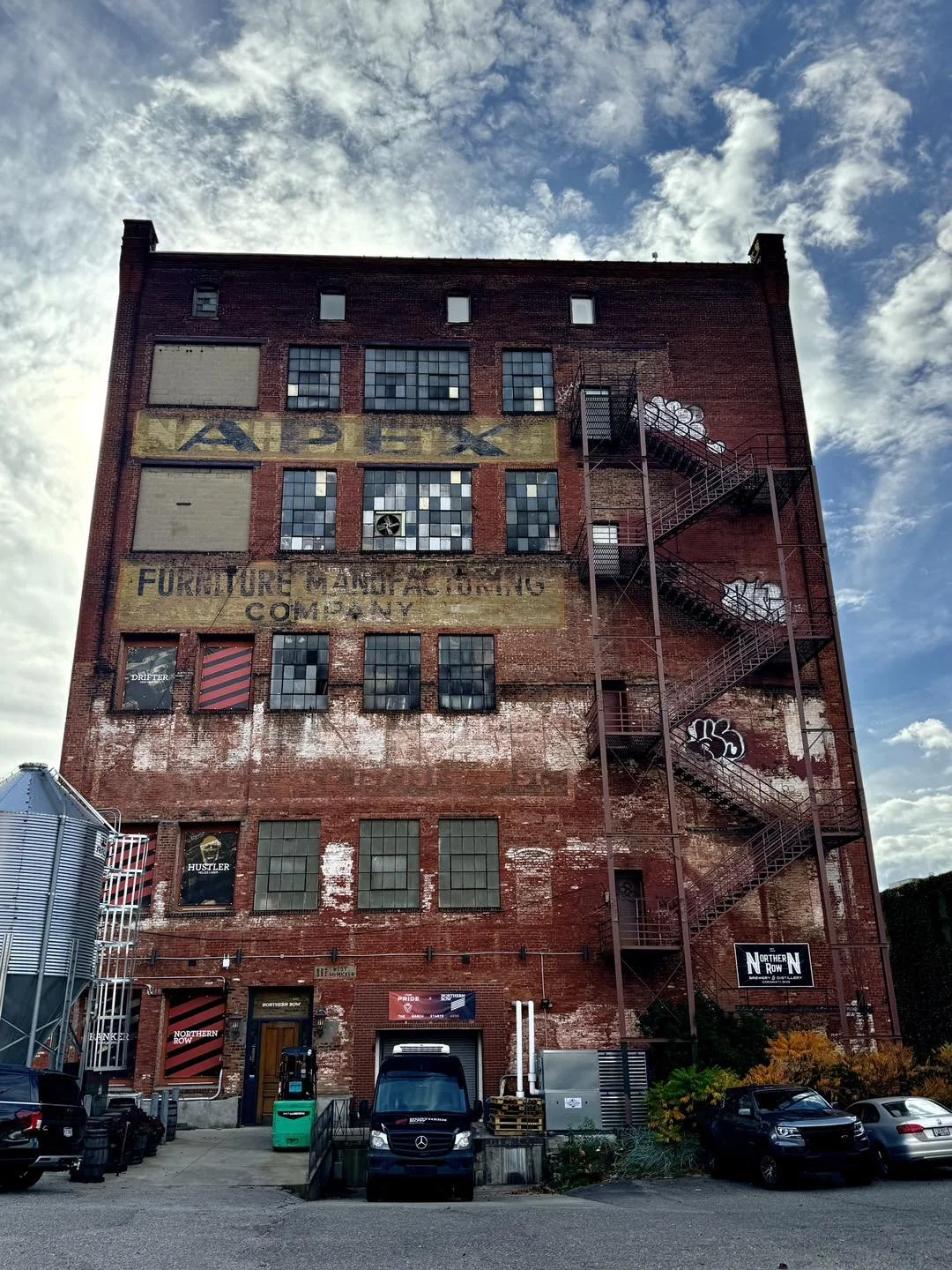
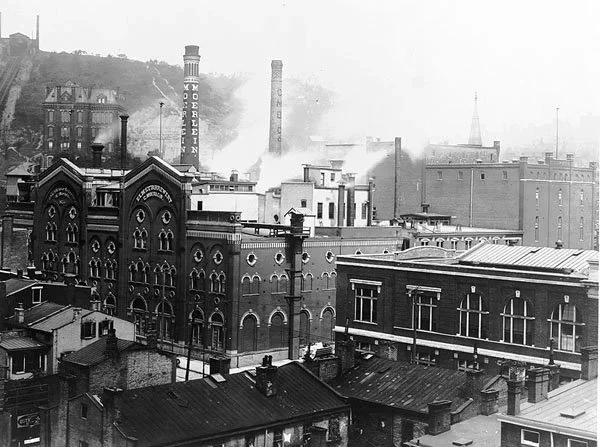
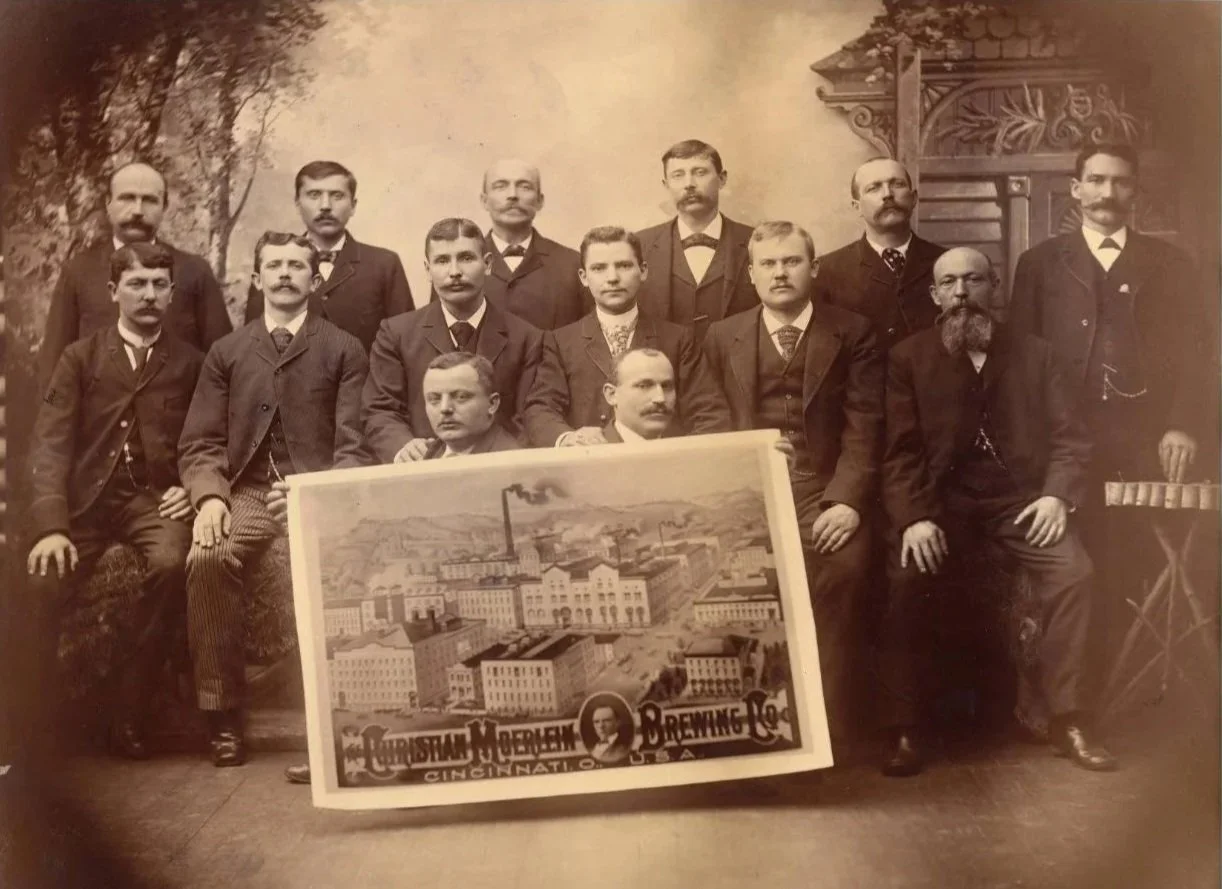
Our taproom resides in a building constructed in 1895 as part of the Christian Moerlein Brewing Co., which, before Prohibition, was the fifth-largest brewery in the United States.
This steel-framed brick structure was purpose-built for fermenting and lagering beer, a process that required cool temperatures.
To maintain those conditions, the walls were built thick, the basement dug nearly 30 feet deep, and massive blocks of ice were lowered through the original ice slide to keep the beer chilled to around 40°F. You can still see the outlines of the original 28 lagering tanks below.
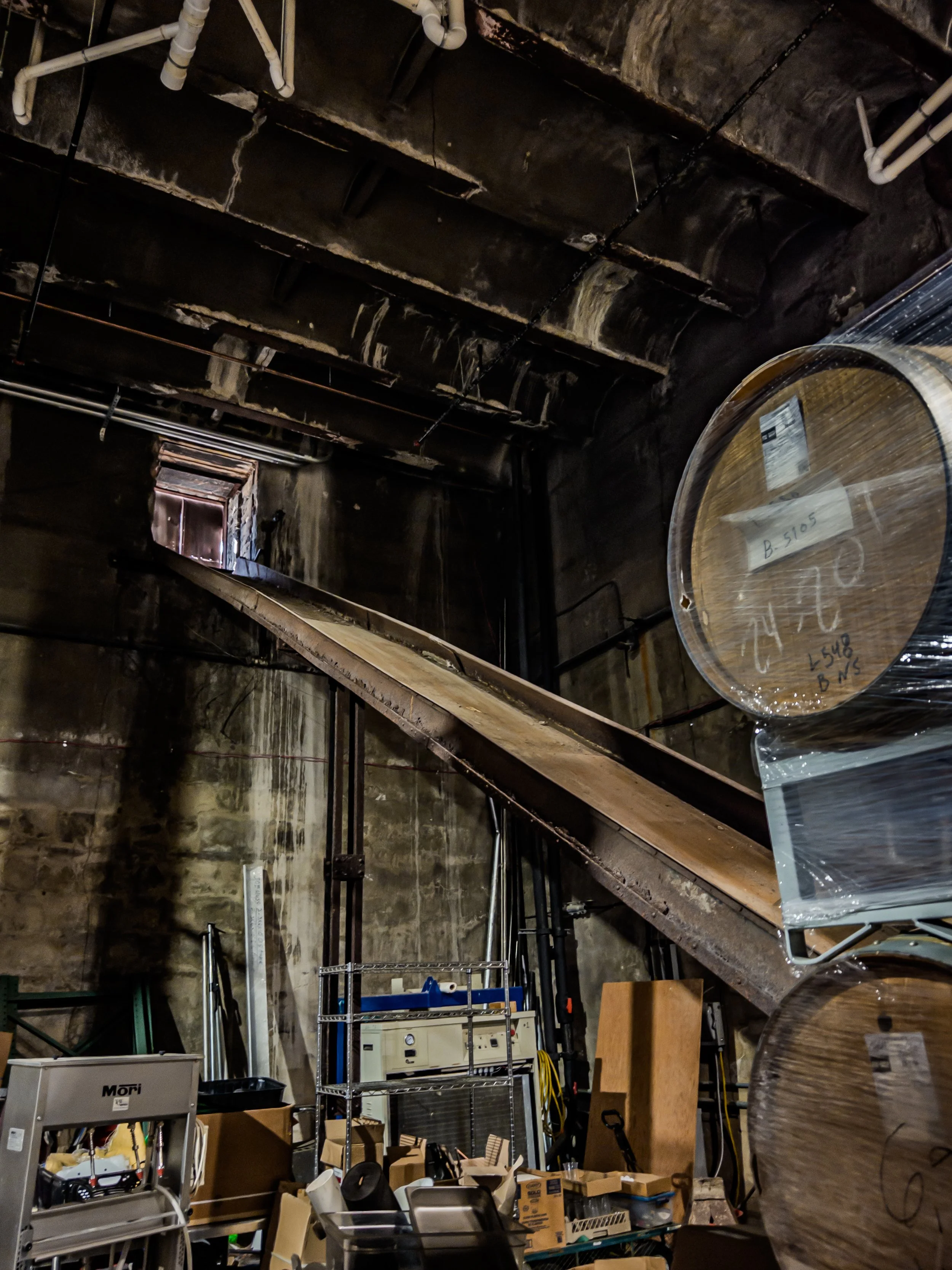
Our building is rich with history and character. Look up, and you’ll notice steel beams stamped with “Carnegie,” original Andrew Carnegie Steel that spans from the basement to the roof.
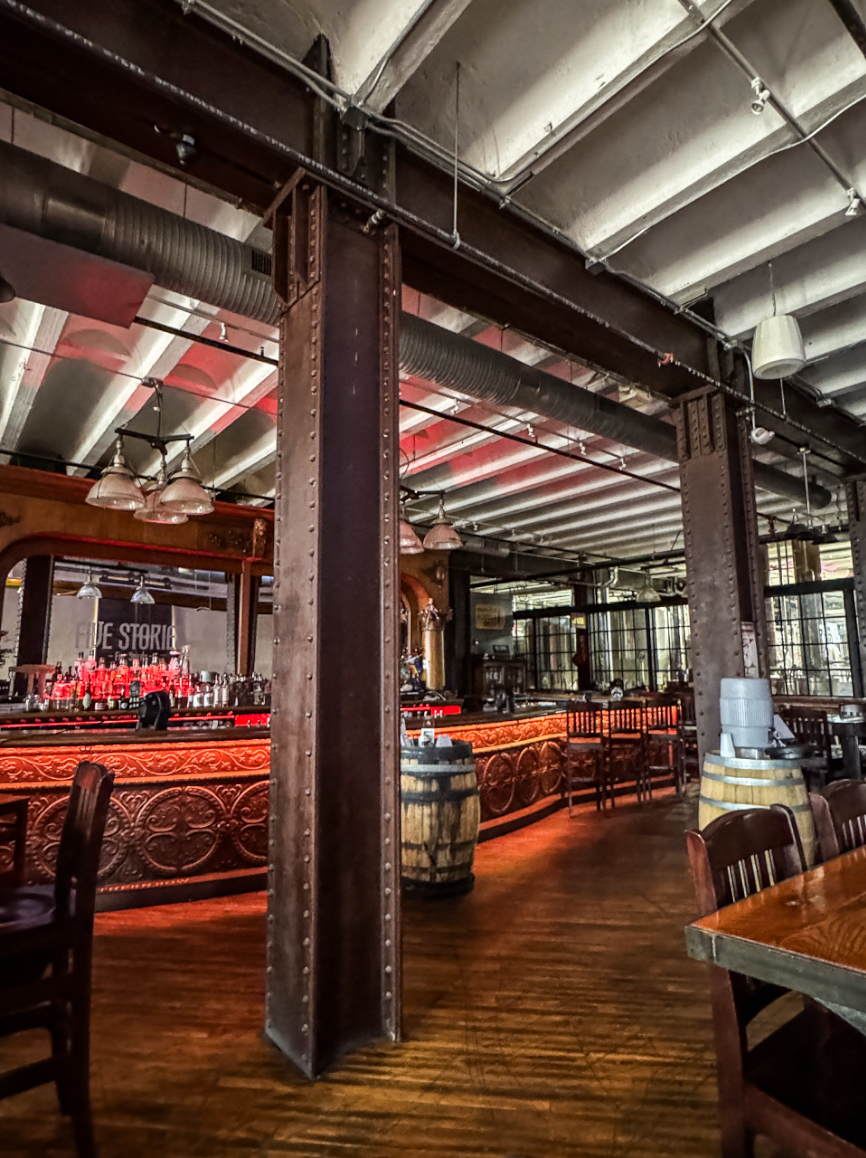
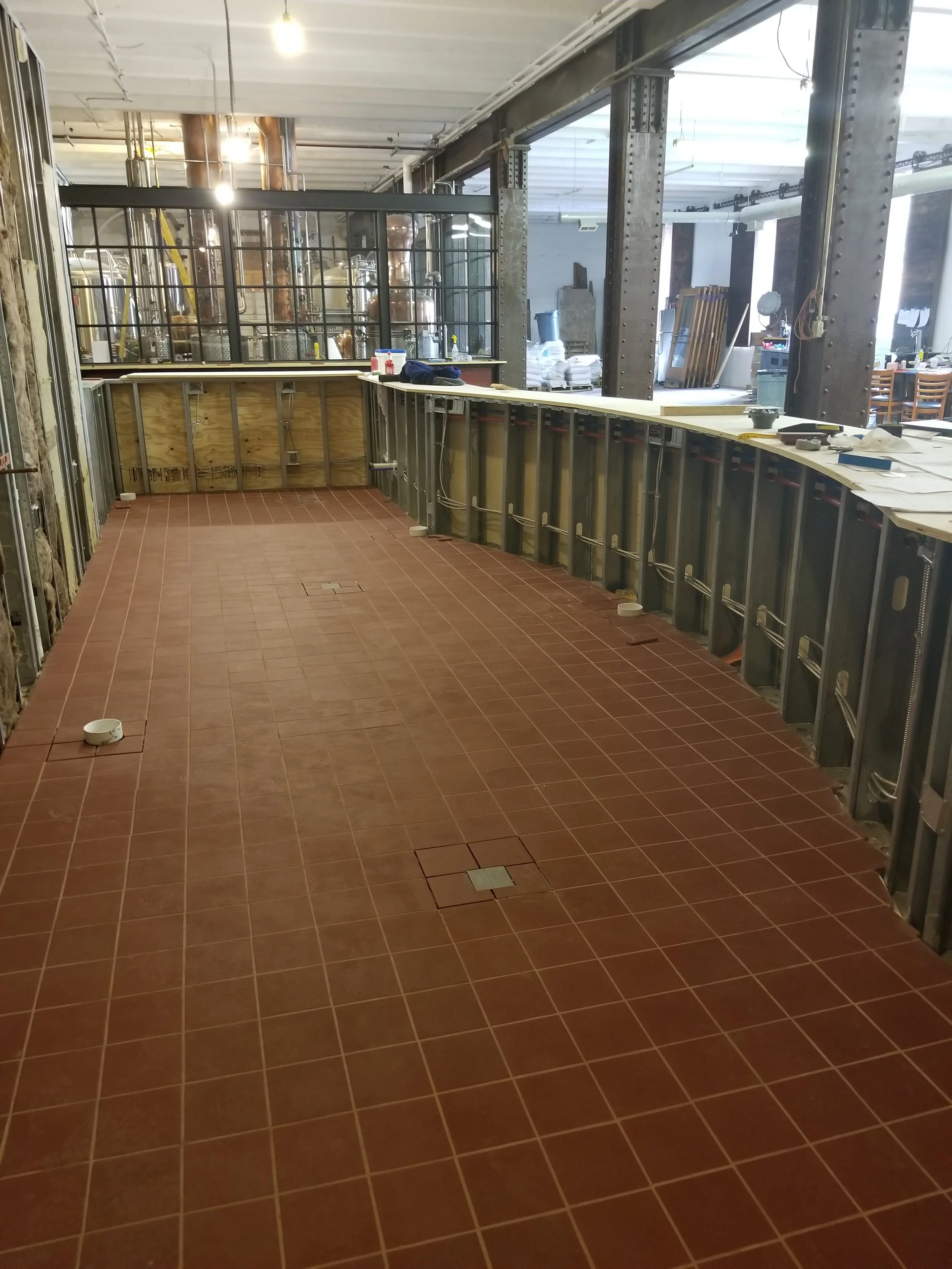
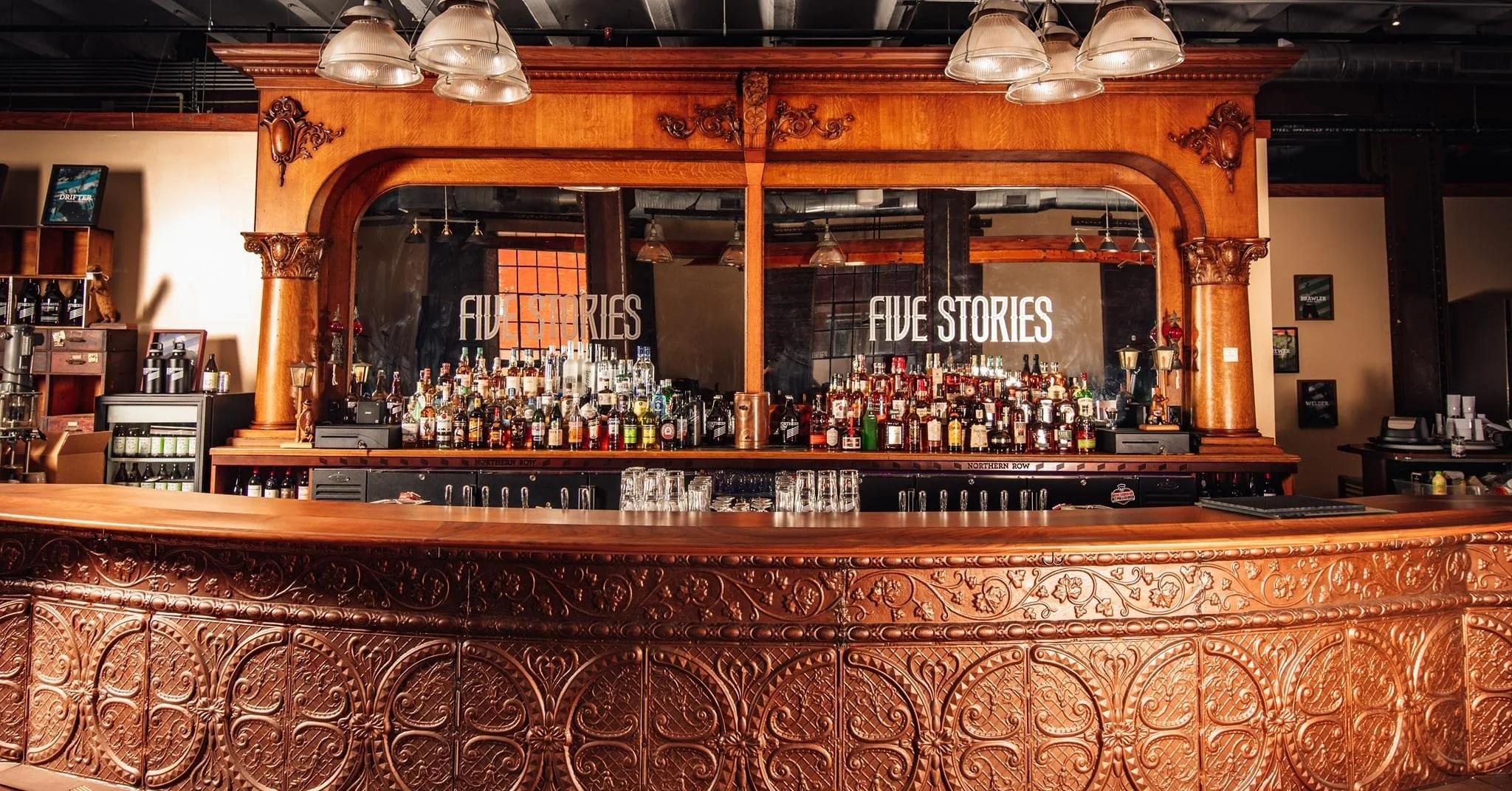
The backbar was built in 1905 in Cincinnati, spent over a century in Golden, Colorado, and returned home to us in 2018 thanks to The Wooden Nickel. The front of the bar is faced with stamped tin salvaged from a neighboring building during renovations.
Above the bar hangs a piece of history: a rowing shell that competed in Berlin during the 1936 Olympics. Its sister boat raced for gold and now resides at the University of Washington. Ours was gifted to us by a local who admired the camaraderie he found here, and the beer.
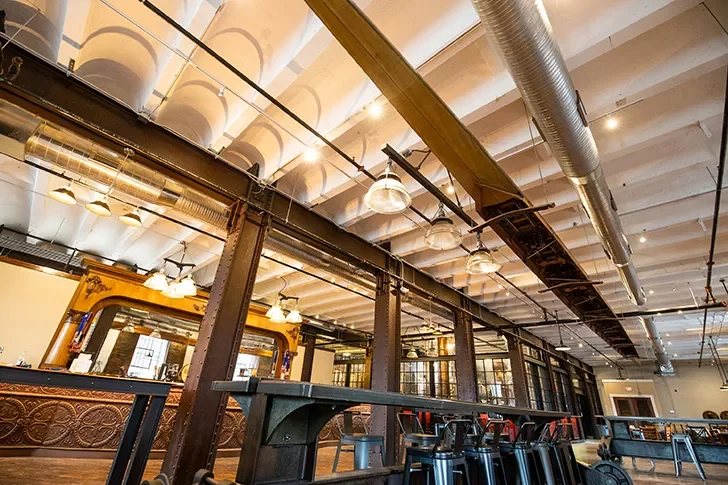
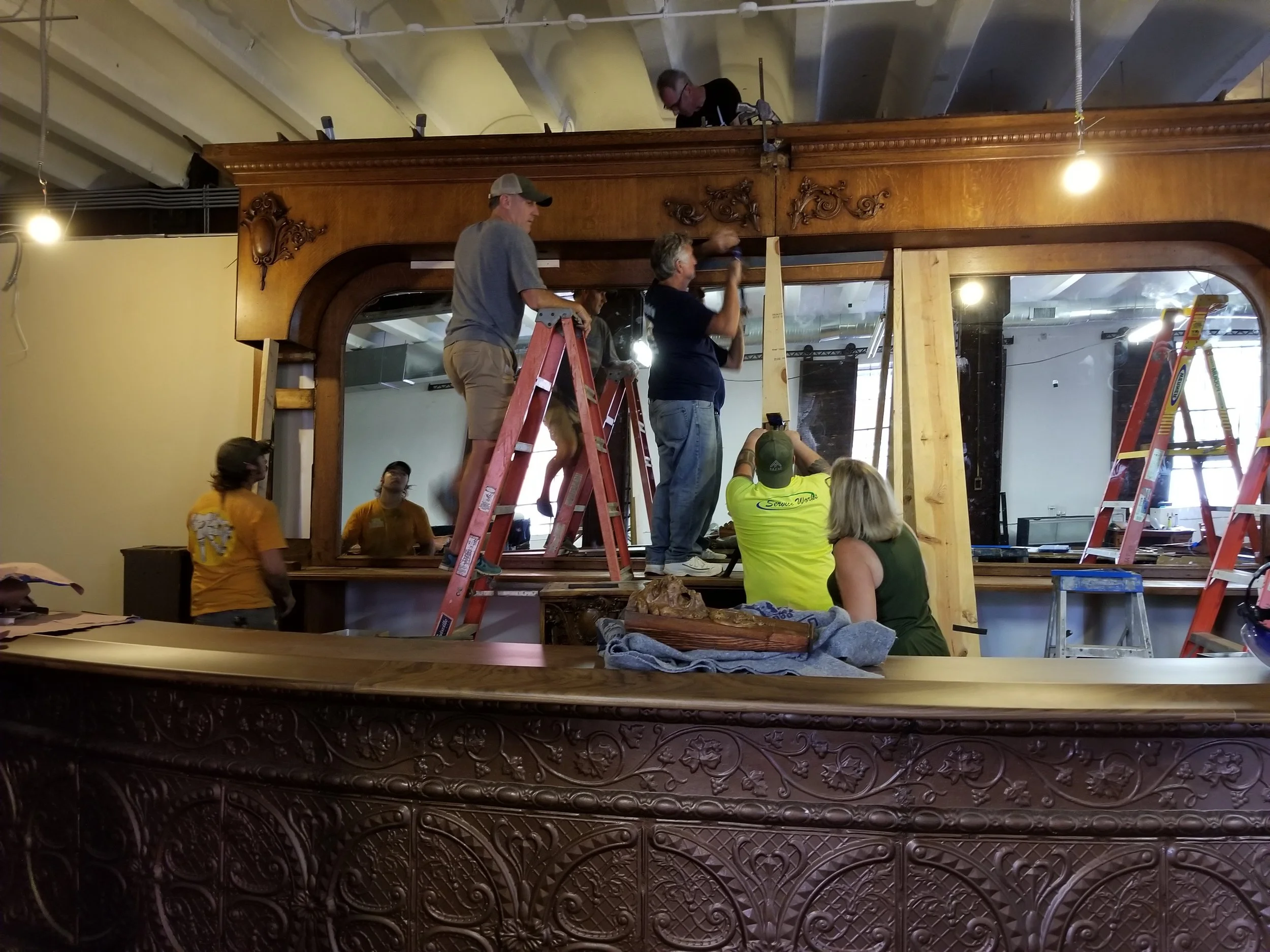
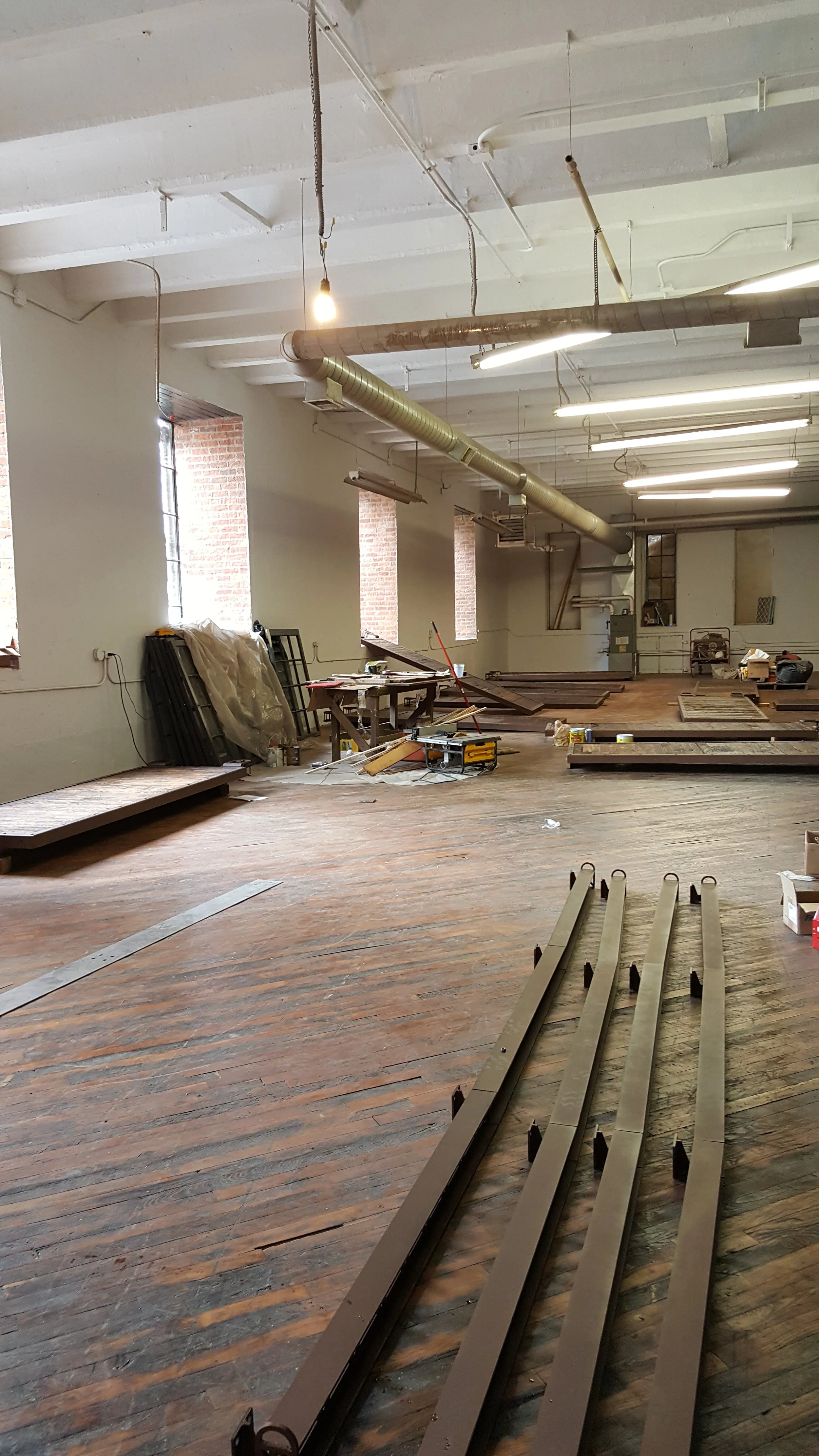
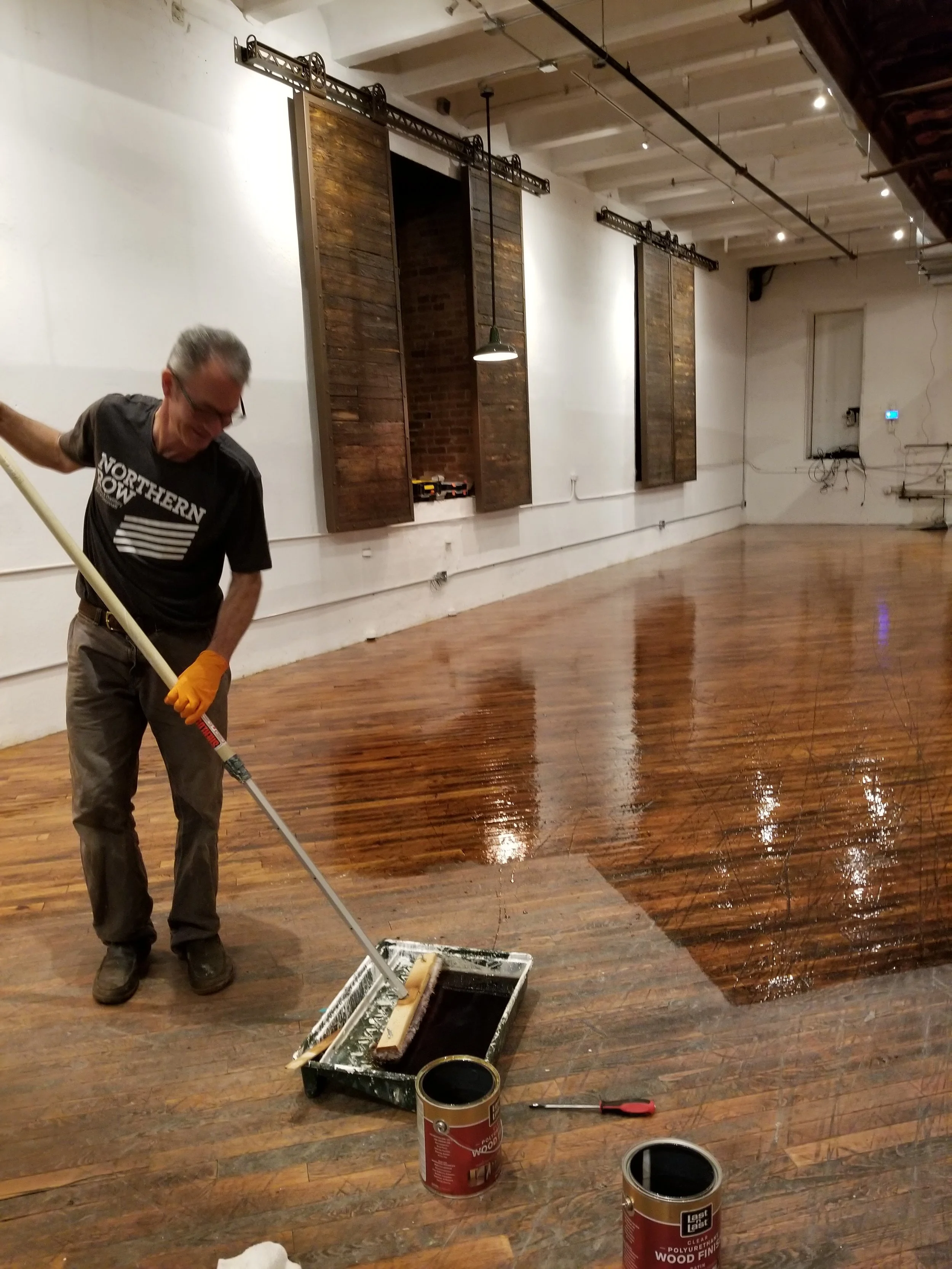
The warm, industrial aesthetic of the space was crafted by our partner Dave Berger, who repurposed salvaged materials and built many of the features by hand.
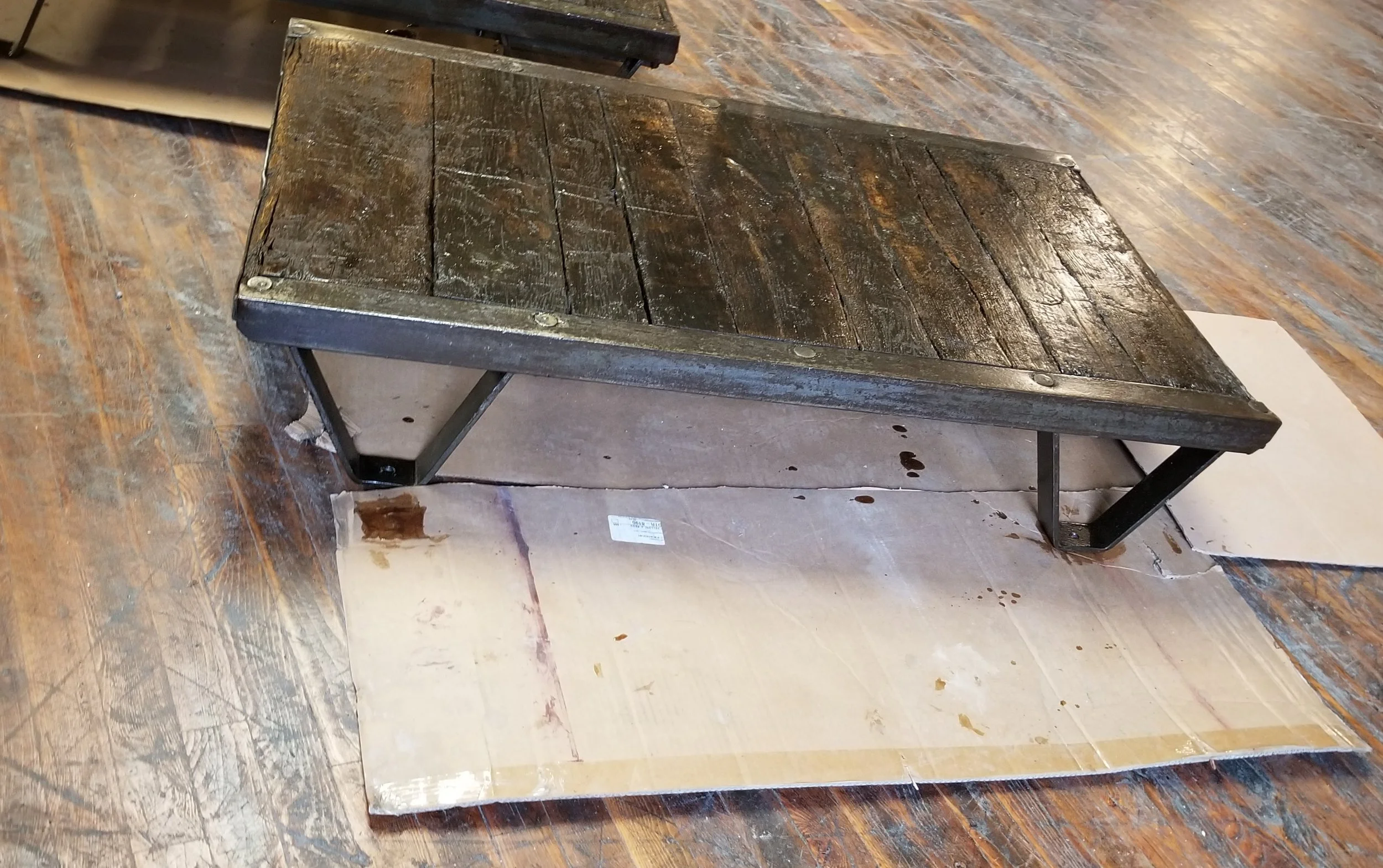
The tables were made from inverted overhead cranes, and the window shutters – including the sliding tracks they ride on – were built using reclaimed wood pulled from the floors during the taproom’s construction. The bar top itself was milled from a black walnut tree cut down in the 1950s on Dave’s grandfather’s farm in Delhi, then shaped just down the street by Riverside Woodworking.